AI Transformation
Building an AI Transformation Workspace
AI transformation quickly creates its own information problem. Initiatives multiply. Governance requirements evolve. Stakeholders surface new needs. Pilots generate lessons. Some ideas gain traction, others stall, and strategic priorities keep moving. The challenge was not a lack of information. It was keeping the whole transformation picture together well enough to reason across it.
What We Found
Transformation creates its own information problem.
The organisation had no shortage of AI initiatives, governance documents and stakeholder perspectives. The problem was that nobody could hold the whole picture at once.
Decisions were being made with partial context. Patterns across initiatives were invisible. Gaps between strategy and operating reality were hard to see. And the information kept moving.
What the Environment Needed to Handle
Five evidence areas, kept in relation to each other.
Rules
Governance, policies, constraints and regulatory boundaries.
Target
What the transformation is aiming to achieve and why.
Transformation Portfolio
Initiatives, pilots, experiments and their status.
Operating Reality
How work actually happens, and where the gaps are.
Signals & Feedback
What is being learned, what is stalling, what is gaining traction.
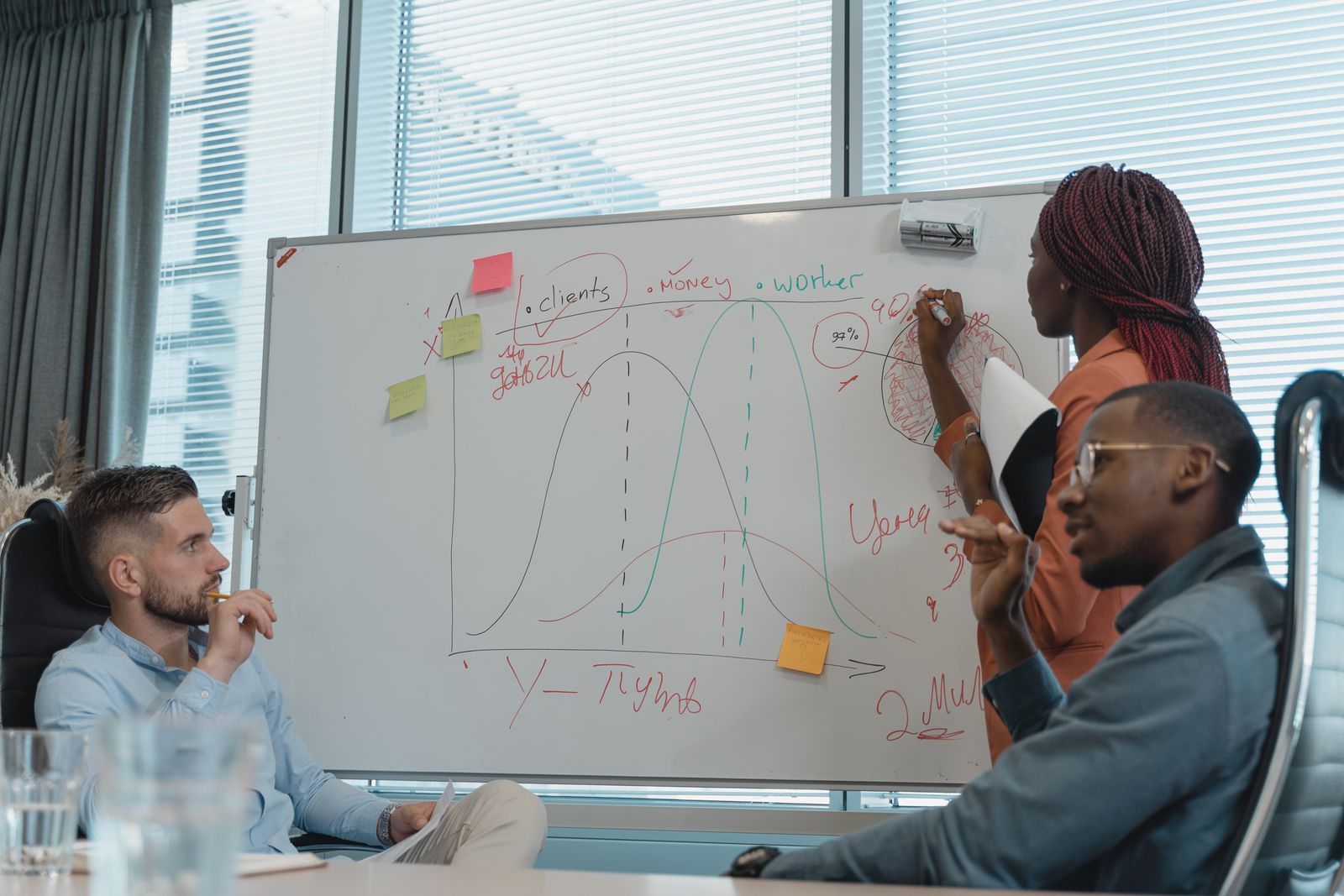
Reasoning flow — from structured knowledge to usable outputs.
What We Designed
A reasoning flow, not just a search interface.
The workspace was designed around a reasoning flow — not a single chat interface. Each stage had a purpose, and the output of one stage became the input to the next.
How It Worked
The workspace assembled evidence. The person reasoned across it.
Instead of asking one person to hold the entire transformation picture in their head, the workspace pulled together the relevant evidence from each area — and let the person reason across it.
The tools were not the point. The reasoning flow was. Each tool served a specific stage: finding patterns, mapping capabilities, comparing evidence, surfacing gaps. The person made the judgement calls.
Example Tools
Each tool served a stage in the reasoning flow.
What Changed
The picture could be held — and reasoned across.
For the first time, the transformation portfolio, governance requirements, operating reality and feedback signals could be seen in relation to each other. Patterns that were invisible before became visible. Gaps between strategy and reality became easier to surface.
Decisions could be made with the whole picture — not just the part that happened to be in front of the person at the time.
What We Learned
The domain was AI transformation. The workspace was bespoke. The reasoning pattern was reusable.
The specific evidence areas were unique to AI transformation. But the reasoning flow — from structured knowledge through retrieval, context assembly, comparison, pattern detection and human judgement to usable outputs — was a pattern that could be applied to other complex, multi-source reasoning problems.
Emerging Bigger Picture
Reasoning across evidence is a recurring need.
Wherever people need to reason across multiple, moving sources of evidence — transformation portfolios, governance landscapes, project ecosystems — the same shape appears. The environment does not replace the reasoning. It makes the evidence easier to hold.
“The domain was AI transformation. The workspace was bespoke. The reasoning pattern was reusable.”